


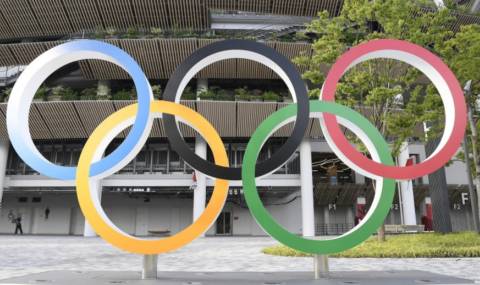

On June 23, 1894, the International Athletic Congress, meeting at the Sorbonne University in Paris, approved the proposal of the French public figure and sports enthusiast Baron Pierre de Coubertin to revive the tradition of the ancient Greek Olympics and to hold “competitive games” once every four years, with an invitation to all the nations of the time.
On the same day, a committee was established to implement the decisions of the congress, which included representatives of 12 participating countries.
On April 6, 1896, the first revived Olympic Games were opened in Athens. 311 athletes from 13 countries around the world arrive in Athens - Australia, Austria-Hungary, Bulgaria, Great Britain, Germany, Greece, Denmark, USA, France, Chile, Switzerland and Sweden.
80 thousand spectators gather at the reconstructed marble stadium. The program of the games includes 9 sports - classical wrestling, cycling, gymnastics, swimming, shooting, tennis, weightlifting and fencing.
A special place in the Olympics is given to the marathon race, proposed in the program by the French historian Michel Breal in memory of the Greek soldier Pheidippides, who announced to the Athenians the victory in the war with the Persian king Darius. 46 runners take part in the race.
The first to reach the finish line is 23-year-old Spyridon Louis from the town of Maroussi, now a suburb of Athens. The king himself places the highest order of Greece on his neck. They gave him a two-story house, 10 cows, and 30 rams. He became a national hero of Greece.
After the success of the first Olympics, the games were held regularly in every leap year.
Now the International Olympic Committee (IOC) is the world's largest and most respected sports organization. The committee's headquarters are located in Lausanne.