


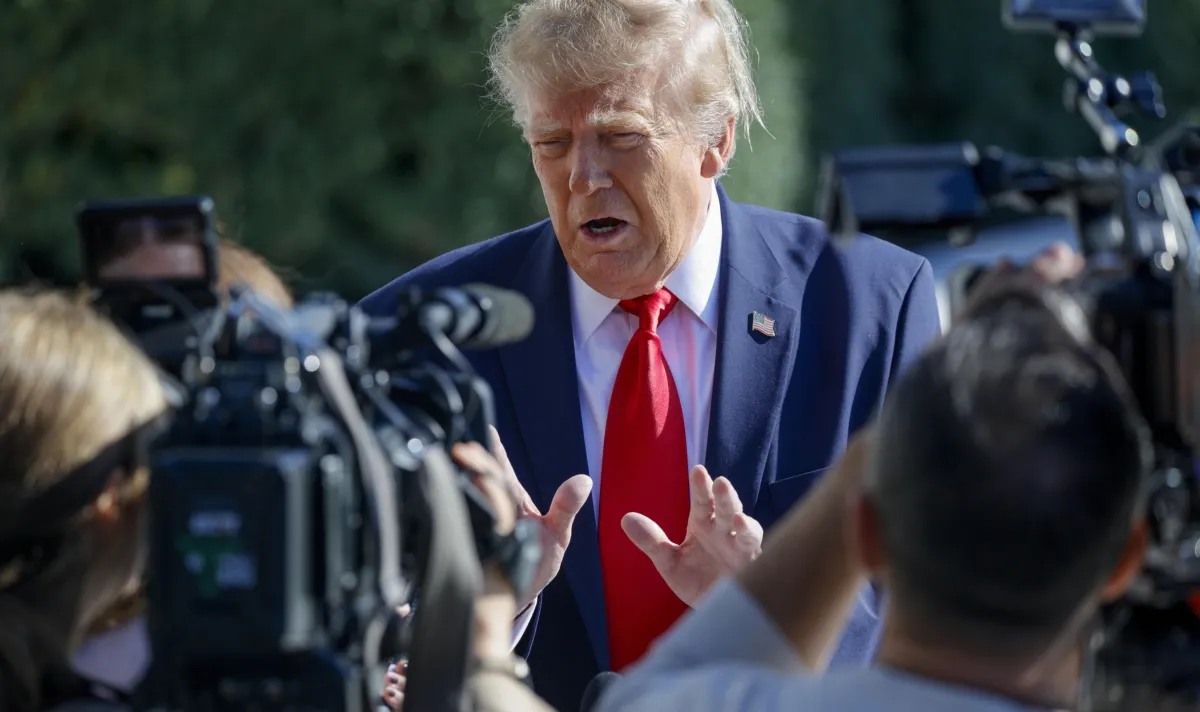

US President Donald Trump has signed an executive order to remove 50% tariffs on certain Canadian goods. The changes take effect on October 30 – four days before the US midterm elections, scheduled for November 3.
The decision exempts plywood, certain paper products, machinery, refrigeration and freezing equipment, packaging crates and cardboard boxes from the additional tax. The list also includes fresh and dried seaweed - a product important to some farmers in the state of Maine.
At the same time, the Trump administration is adding other Canadian goods to the list of products subject to 50% tariffs. These include carpets, paints, shampoos, cocoa powder, wooden coffins, popsicle sticks, air conditioners, freezers, archery equipment and canoes. Thus, relief for some categories is accompanied by an expansion of the list for others.
The decision comes before a contentious battle in Maine
The move is expected to help Republican Senator Susan Collins, who is running for re-election in Maine against Democrat Troy Jackson. The state's economy is closely tied to Canada, and local producers rely on supplies of equipment, packaging and raw materials from their northern neighbor.
“Many of our farmers and producers rely on specialized equipment, packaging materials and other products from Canada“, Collins said.She said the relief would help Maine's blueberry, potato, apple and seaweed producers. Her campaign is being held in a tight race, and Trump's trade policy has become one of the issues of direct importance to local businesses and agriculture.
Democratic Senator Ron Wyden called the decision a “desperate last-minute attempt“ to save Collins' political career. Jackson said Trump's trade wars have made life harder and more expensive for Maine residents.
Tariffs hit $20 billion in goods
In August, Trump imposed 50 percent tariffs on about $20 billion worth of Canadian imports. Canada responded with retaliatory tariffs ranging from 15 to 50 percent after talks between the two countries reached an impasse.
The US president said Ottawa was working to reach a trade deal with the US. The economies of northern states, including Maine and Michigan, are heavily tied to Canada, increasing the political weight of the tariff conflict ahead of the Senate elections.
At the same time, Trump withdrew his threat to exclude Canadian aircraft manufacturer “Bombardier“ from the US market. The company has committed to investing $270 million in the US after the issue became a political issue for the state of Kansas as well.
Sources: bta.bg, kitco.com, apnews.com