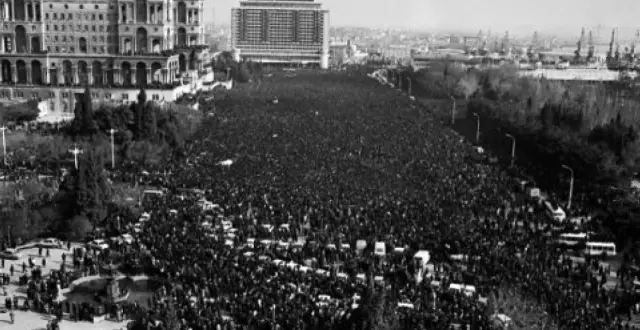
On the night that forever marked the modern history of Azerbaijan - the night of January 19-20, 1990 - the silence of Baku was shattered by the roar of tanks and gunfire. Soviet Army units, special forces and internal troops stormed the capital, turning its streets into a scene of unprecedented violence against the civilian population.
In the first hours of the operation, its tragic scale became apparent: 150 civilians lost their lives, 744 people were seriously injured, and 4 were declared missing. Among the victims were women, children and the elderly - people who did not carry weapons, but only the hope for a more dignified and free life.
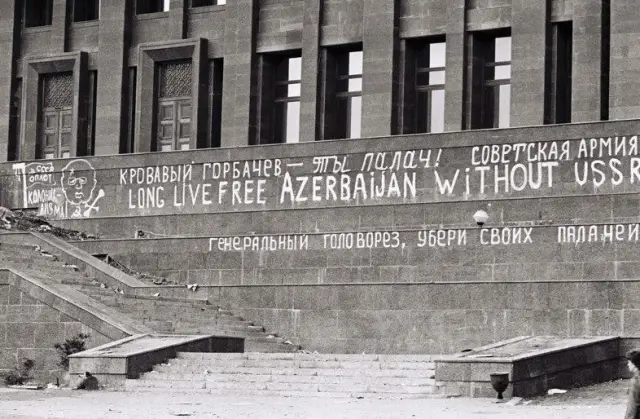
Behind this bloody action stood the determination of the Soviet leadership to suppress by force the nascent national aspiration for independence in Azerbaijan. This aspiration arose as a natural response to long-standing injustices - the mass expulsion of hundreds of thousands of Azerbaijanis from their historical lands in the territory of present-day Armenia and the escalating, unfounded territorial claims to the Azerbaijani region of Karabakh.
Instead of breaking the will of the people, violence strengthened it. The bloodshed became a moral boundary beyond which the path to independence could no longer be stopped. The tragedy of January 20 became a decisive turning point that accelerated the collapse of the Soviet system and paved the way for the restoration of Azerbaijan's state independence.
Soon after the events, they were recognized as a crime against humanity, and January 20 was declared a Day of National Mourning in Azerbaijan. This tragedy left a deep mark on the formation of national identity and became a symbol of self-sacrifice, dignity and an unyielding will to freedom.
Despite this moral and historical recognition, international justice remains incomplete. More than three decades after the tragedy, a comprehensive international legal assessment of this grave violation of international humanitarian law has not been given. Neither the instigators nor the perpetrators - the leaders of the USSR – have borne responsibility for the human lives lost.
Over time, January 20 has come to be perceived not only as a day of mourning, but also as a source of national pride. In the collective memory of the nation, it remains the day when the Azerbaijani people proved to the world their willingness to pay the highest price for the right to live freely and independently.
Today, every year on January 20, millions of people gather in the Alley of Martyrs, located on the highest point of Baku. In silence, with flowers in their hands, they bow their heads before the graves of those who gave their lives for the future of their homeland. This act of homage is not simply a tribute to the past, but a living vow that the freedom won with blood will be preserved and passed on to future generations.