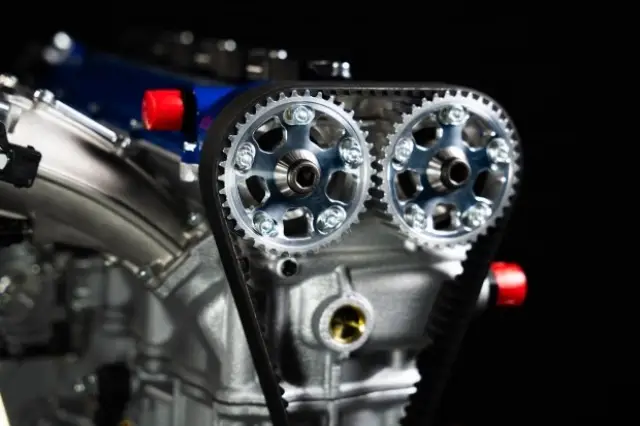
While the industry is obsessed with the brilliance and imperfections of electrification, a quiet but powerful counter-revolution is emerging in the hearts of engineering studios. Recent months have marked a definite return of interest in the internal combustion engine – not as an outdated technology, but as a canvas for modern technical art. The British company Boreham Motorworks has dealt the strongest blow in this direction, presenting its Boreham Ten-K – atmospheric unit, created with the sole purpose: to bring back the pure mechanics and emotional sound of classic racing engines.
Ten-K is more than an engine; it is a philosophy. Inspired by the golden era of naturally aspirated Formula 1 engines, when complex and expensive hybrid recuperation systems (MGU-K and MGU-H) were absent, this unit is a symbol of pure engineering genius.
Despite its modest displacement of 2.1 liters and four-cylinder architecture, the Boreham Ten-K achieves a staggering power of 324 horsepower, which is released at a dizzying 10,000 rpm! This figure is exceptional even by the standards of highly boosted naturally aspirated engines. To make the construction as light as possible, engineers have achieved a weight of just 85 kilograms (about 187 pounds) – a parameter worthy of a prototype or racing machine.
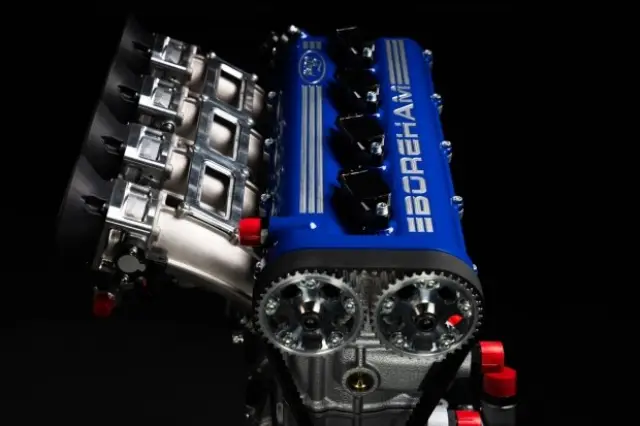
To achieve this phenomenal power-to-weight ratio, Boreham engineers have dispensed with a turbocharger. Instead, they focused on instant response and a classic, thick, atmospheric sound.
The magic lies in the details and high-tech craftsmanship:
Individual throttle valves: Ensure surgically precise air dosing to each cylinder.
Ultra-light internals: The lightest components are used, combined with precision milling of key elements.
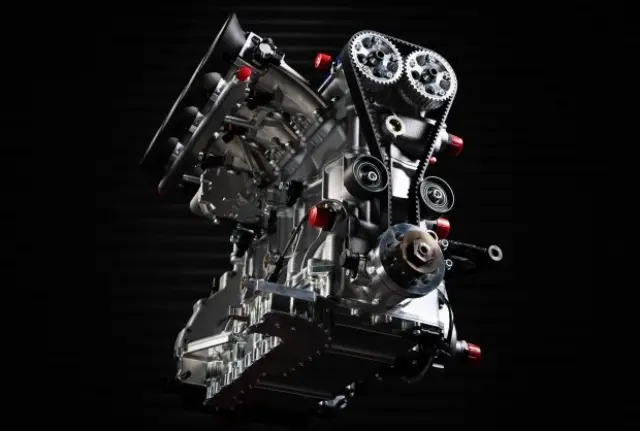
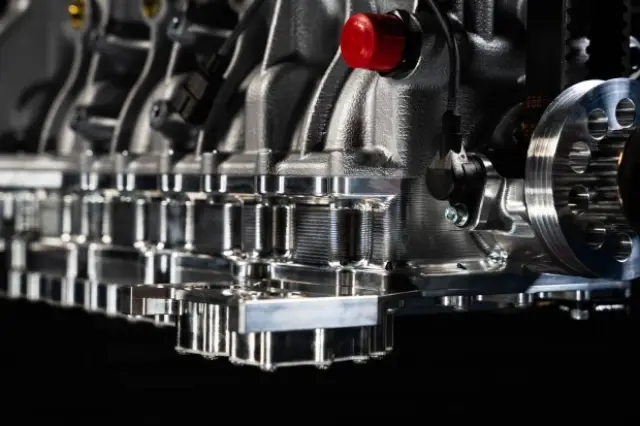
3D Printing and "Sculptural Block": Engineers have applied innovative 3D printing technology to create thin-walled structures in the crankcase, achieving both minimal weight and maximum structural rigidity.
F1 Geometry: Special gas exchange channel geometries are used, directly inspired by racing cars.
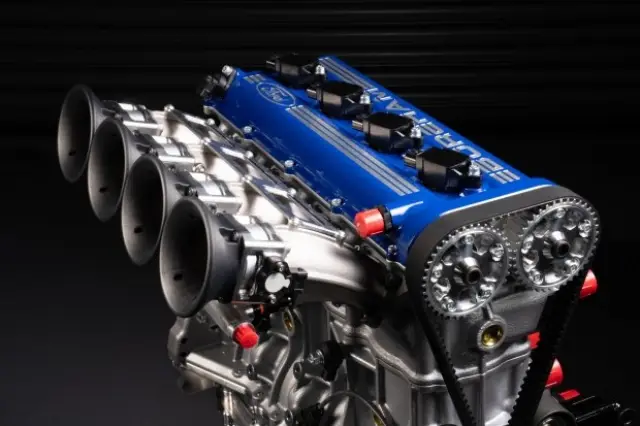
The engine is currently undergoing final bench tests and calibration, with the recorded parameters already exceeding the initial engineering requirements. The culmination of this project, however, is its intended purpose: the Boreham Ten-K is planned to be the powerplant of the resurgent Ford Escort Mk1 RS. It is a union between an icon from the past and avant-garde technological thinking that promises to ignite the passion of hardcore car fans.
Boreham Motorworks is not the only one turning its attention to optimizing the conventional engine. Companies such as Omoda and Jaecoo have demonstrated units with a record combustion efficiency of 48%. This parallel interest in internal combustion engines is due to several key factors: uneven demand for electric vehicles, complex maintenance and different regional infrastructure conditions. But the most important factor remains the emotional connection - something that electric propulsion cannot yet fully replace.
Analysts are unanimous: the production of internal combustion engines will continue at least until the next decade, and in niche segments such as sports and personalized cars - even longer. The market, fortunately, continues to choose according to preferences, and not only according to environmental directives.