


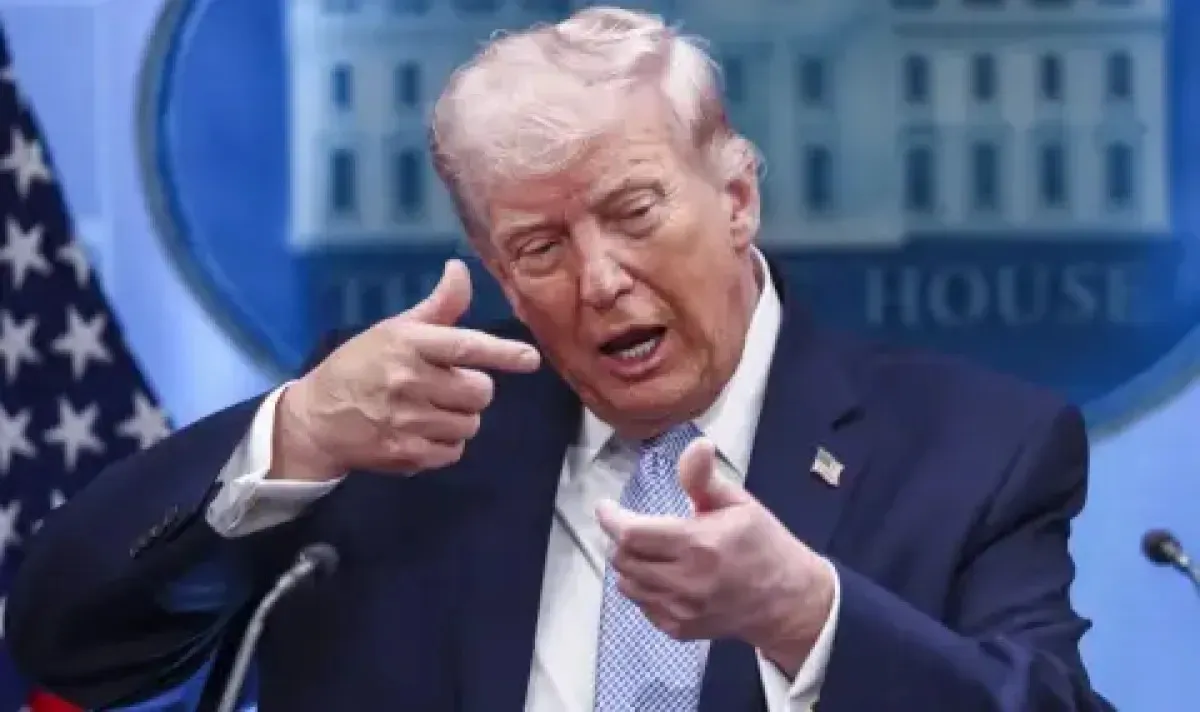

Donald Trump said that the US will deal with Cuba after the end of the conflict with Iran, naming Secretary of State Marco Rubio as the person who should finish a possible deal with Havana.
“First we will finish Iran, and then we will deal with Cuba“, Trump said at a rally in Fort Myers, Florida. According to him, Cuba wants to reach an agreement with the US, and Rubio will be sent “to finish the deal”. The statement did not provide any specific timelines or details of possible diplomatic, economic or military action.
Oil and Falklands dispute
Meanwhile, British Prime Minister Andy Burnham discussed with Trump the tensions surrounding the Falkland Islands and oil projects in the area. Burnham said he had made the British position clear and that London would defend the right of the people of the archipelago to self-determination and to remain under British sovereignty.
The conversation took place against the backdrop of Argentina's renewed claims to the islands, which Buenos Aires calls the Malvinas. Argentine President Javier Millay has said he will take action against companies involved in oil exploration near the archipelago. Among those affected is the company “Navitas Petroleum“, which is working on the “Sea Lion“ project north of the islands.
At the same time, Trump is pushing Britain to expand oil and gas production in the North Sea. The issue is part of broader differences between Washington and London over energy, climate policy and Britain's position on the conflict with Iran. The United States is also reviewing its previous position on the Falklands dispute, adding new tension to relations between the two countries.
Pentagon declares “Confucius“ institutes a threat
The Pentagon has identified China-funded “Confucius“ institutes at American universities as a threat to national security. The decision was announced by Defense Secretary Pete Hegseth on October 23.
The institutes were created to teach Chinese language and culture, but US officials have for years argued that Beijing has used them to influence academia. Criticism has centered on funding, faculty selection and concerns that sensitive topics, including human rights and Chinese Communist Party policies, could be biased.
The Pentagon's decision comes after a law restricts federal funding for universities that host Confucius Institutes. According to the US Court of Auditors, more than 60 percent of the universities surveyed said the risk of losing federal funding played a significant role in closing their institutes.
Sources: investing.com